
Natural Treatments for Skin Conditions and How to Use Them
7th Aug 2025
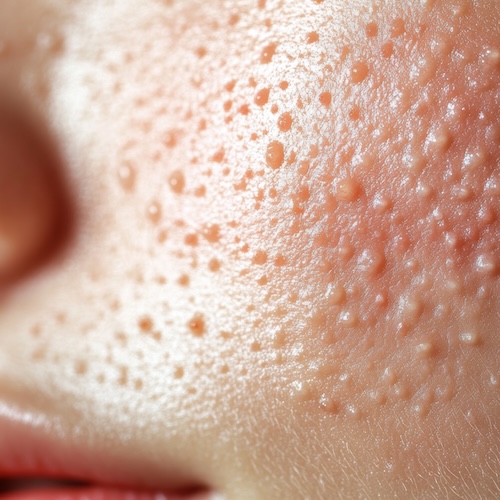 Choosing a gentle, effective path for managing skin concerns can feel overwhelming—especially when faced with persistent rashes, stubborn acne, or a child’s irritated skin. For those looking to sidestep harsh chemicals or invasive treatments, herbal remedies offer a time-honored alternative, blending modern evidence with centuries of tradition. From soothing mild eczema to accelerating wound healing, certain plant-based solutions have earned scientific recognition for their skin-calming powers.
This article brings together twelve of the most respected herbal remedies for skin conditions, translating research and traditional wisdom into clear, practical advice. You’ll find straightforward steps for using each remedy, tips to maximize safety, and essential considerations before introducing something new to your routine. Whether you’re seeking relief for yourself or a loved one, this guide will help you navigate the options with confidence—and set you up for healthier, happier skin.
Mollenol's all natural range fits perfectly with a gentler approach to skin care.
1. Aloe Vera: Nature’s Moisturizer and Wound Healer
Aloe vera has earned its place in skin care lore, often called the “plant of immortality” by ancient healers. Its soothing clear gel works wonders on a variety of skin complaints, making it a household staple for burns, scrapes, acne, and even psoriasis. Simple to harvest and easy to apply, aloe vera brings together traditional wisdom and modern research in one slippery, hydrating package.
Whether you’re nursing sunburned shoulders or patching up a child’s scraped knee, aloe vera can help calm irritation and speed recovery. Below, you’ll find a quick breakdown of what makes this succulent so special—and how to get the most from every leaf.
Key Properties
- Anti-inflammatory: Reduces redness and swelling by inhibiting inflammatory mediators.
- Antimicrobial: Helps prevent infection in minor cuts and burns.
- Wound-healing: Polysaccharides and natural growth factors stimulate skin regeneration.
Application and Dosage
To use fresh gel, select a thick, healthy leaf from the inner part of an aloe plant. Slice it lengthwise and scoop out the clear gel with a clean spoon. Apply a thin layer to cleansed skin two to three times daily, allowing it to absorb completely. If you’d rather prep ahead, store the extracted gel in an airtight container in the refrigerator—it's good for up to one week.
Evidence-Based Benefits
Scientific studies reinforce aloe’s reputation in wound care and inflammatory conditions. For instance, patients treated with a stabilizing aloe gel dressing after facial dermabrasion showed faster healing and less discomfort (Fulton JE Jr., 1990). In another double-blind trial, a hydrophilic aloe cream outperformed placebo in reducing psoriasis plaques (Syed TA et al., 1996). You can learn more on the NCCIH Aloe Vera Overview.
Safety Considerations
Topical aloe vera is usually well tolerated, but a patch test is always recommended: apply a small amount to the inner forearm and wait 24 hours. Avoid ingesting aloe latex or whole-leaf extract—these contain anthraquinones classified by IARC as possible carcinogens. Stick to the gel for external use, and you’ll enjoy aloe’s soothing benefits without the risks.
2. Chamomile: Gentle Relief for Sensitive Skin
If your skin tends to react at the drop of a hat, chamomile may offer a soothing embrace. This unassuming blossom comes in two main varieties—German chamomile (Matricaria recutita) and Roman chamomile (Chamaemelum nobile)—and both carry a gentler touch than many over-the-counter remedies. Historically, herbalists have depended on chamomile to calm flare-ups of mild eczema, dermatitis, and general redness. Today, its mild anti-inflammatory and antimicrobial qualities make it a go-to for inflamed or itchy patches, especially on sensitive or compromised skin.
Whether you choose a fragrant tea compress or a buffered cream, chamomile’s versatility lets you tailor treatment to your comfort level. From backyard-grown blossoms to lab-standardized extracts, you’ll find plenty of ways to integrate this herb into your skincare lineup without risking the harsh sting of stronger pharmaceuticals.
Why Chamomile Works
Chamomile’s calming reputation isn’t just folklore. The flower heads contain terpenoids such as bisabolol, matricin, and chamazulene, along with flavonoids like apigenin. These compounds work in concert to:
- Dial down inflammatory signals, reducing heat and redness.
- Stall bacterial growth on minor scrapes or weeping mild eczema.
- Quench free radicals that can worsen chronic irritation.
Together, they create a gentle shield against persistent itching and help prevent minor infections in compromised skin.
Using Chamomile for Skin
There are two common ways to harness chamomile’s benefits:
-
DIY Chamomile Compress
- Steep 1–2 teaspoons of dried chamomile flowers in a cup of hot water for 10–15 minutes.
- Let the infusion cool to a lukewarm temperature, then soak a clean cloth or cotton pad.
- Apply to the affected area for up to 15 minutes, repeating once or twice daily.
-
Commercial Chamomile Creams
- Look for products listing “Matricaria recutita extract” or “Chamaemelum nobile extract” high on the ingredient list.
- Choose formulations with at least 1–2% active extract and minimal additives.
- Apply a thin layer to clean skin, massaging gently until fully absorbed.
Research Highlights
Clinical trials back up chamomile’s reputation as a mild but effective topical remedy. In studies of atopic dermatitis patients, creams containing chamomile extract delivered noticeable relief from itching and redness, often rivaling low-strength hydrocortisone without the steroidal side effects. For a deeper dive into efficacy data, see this overview of Chamomile Extract Efficacy.
Allergy and Caution
Chamomile sits in the Asteraceae family, meaning it can cross-react with ragweed, daisies, and marigolds. Always do a patch test: dab a small amount of chamomile infusion or cream behind your ear or on the inner forearm, then wait 24 hours for any signs of irritation. If redness, itching, or hives appear, steer clear of chamomile and seek alternative gentle remedies.
3. Calendula: The Wound-Repairing Marigold
Calendula officinalis, commonly called pot marigold, has been part of traditional wound care since medieval herbals first praised its soothing petals. Gardeners and healers alike turned to calendula for its reputation in treating minor cuts, scrapes, diaper rash, and low-grade burns. Today, its vibrant orange blooms translate into topical preparations that support recovery by calming inflammation and guarding against infection.
Healing Properties of Calendula
Calendula packs a potent blend of anti-inflammatory, antifungal, and antibacterial compounds. Its key active constituents—triterpene flavonoids and saponins—work together to:
- Inhibit the release of pro-inflammatory mediators, helping to reduce redness and swelling.
- Create a mild barrier against certain bacteria and fungi without the harshness of synthetic antiseptics.
- Promote a balanced environment for skin cells to regenerate more quickly.
How to Apply Calendula
You can harness calendula’s benefits through both ready-made products and simple DIY recipes:
-
Ointment or Cream
- Cleanse the affected area with a gentle soap and pat dry.
- Apply a thin layer of calendula cream or ointment (aim for formulas standardized to at least 1–5% extract) two to three times a day.
- Cover with a breathable dressing if needed, especially for diaper rash or open scrapes.
-
DIY Calendula Oil
- Fill a jar halfway with dried calendula petals.
- Top up with a carrier oil (such as jojoba or sweet almond) until petals are submerged.
- Seal and store in a sunny window sill for 2–4 weeks, shaking occasionally.
- Strain out the petals and transfer the infused oil to a dark glass bottle—use it as a gentle massage oil or add a few drops to a neutral cream base.
Clinical Insights
Clinical observations and small trials suggest that topical calendula preparations can accelerate tissue repair and lower the risk of secondary infection. In one early study, patients using calendula-based ointments reported faster healing of minor surgical wounds compared to standard petrolatum dressings. However, formulations vary widely—from tinctures to enriched balms—so efficacy can depend on extraction method and concentration. When selecting a commercial product, look for reputable brands that disclose calendula extract levels and adhere to good manufacturing practices.
Potential Allergic Reactions
Though generally well tolerated, calendula belongs to the Asteraceae family—alongside ragweed, chrysanthemums, and daisies—so cross-reactivity is possible. Always perform a patch test before widespread use: dab a small amount of cream or oil on the inner forearm, wait 24 hours, and monitor for any itching, redness, or swelling. If irritation develops, discontinue use and consider an alternative botanical with similar soothing properties.
4. Tea Tree Oil: Targeted Antimicrobial Action
Tea tree oil, distilled from the leaves of Melaleuca alternifolia, packs a powerful punch against acne-causing bacteria and common skin fungi. Its clear, slightly camphorous scent might remind you of a spa visit, but the real work happens at the microscopic level: tea tree oil disrupts the cell walls of microbes, helping to clear blemishes and calm inflamed patches. Whether you’re battling persistent pimples or itchy athlete’s foot, this essential oil offers a versatile, plant-powered approach.
Before you reach for a bottle, it’s crucial to respect tea tree oil’s potency. Used undiluted, it can irritate sensitive skin—so following proper dilution, application, and testing guidelines will keep your treatment both effective and safe.
Antimicrobial and Anti-Inflammatory Effects
The primary active constituent, terpinen-4-ol, has been shown to:
- Puncture bacterial membranes, leading to cell death
- Inhibit fungal growth by disrupting spore formation
- Modulate inflammatory pathways, reducing redness and swelling
These combined actions make tea tree oil a go‐to for mild to moderate acne, minor fungal infections, and even insect bites.
Dilution and Application Guidelines
To harness tea tree oil without undue irritation:
- Mix 5% tea tree oil with 95% carrier oil (jojoba, coconut, or sweet almond).
- Use a cotton swab to dab the blend onto clean, dry skin once or twice daily.
- If you experience tightness or flaking, reduce frequency or blend with a more emollient carrier.
Never apply undiluted oil directly—always respect the concentration guidelines to avoid burns or stinging.
Evidence in Acne and Infections
Clinical trials underscore tea tree oil’s effectiveness:
- In a comparative study, a 5% tea tree oil gel reduced acne lesions by roughly 40% over four weeks—on par with a 5% benzoyl peroxide treatment but with fewer side effects.
- For athlete’s foot, daily application of a 10% tea tree foot soak led to symptom improvement in 60% of participants after six weeks, outperforming placebo.
These results highlight tea tree oil’s dual action: clear out microbes while dialing down inflammation.
Patch Testing and Side Effects
Always patch-test before widespread use:
- Apply a small drop of diluted oil to the inner forearm.
- Wait 24–48 hours for any signs of redness, itching, or swelling.
If irritation occurs, discontinue use. Common side effects include mild burning or dryness—both manageable by lowering the concentration or adding a soothing moisturizer into your routine.
5. Licorice: Cortisone-Like Comfort in a Root
Licorice root (Glycyrrhiza glabra) has earned its place in herbal medicine with a reputation for soothing inflamed, itchy, or viral skin conditions. Traditionally used in Europe for mild eczema and in Asia as an antiviral remedy, licorice brings a cortisone-like effect to topical treatments—minus the prescription-only restrictions of steroids. Below, you'll learn how licorice’s active compounds work, how to incorporate them safely into your skincare routine, and how they compare to conventional corticosteroids.
Soothing and Anti-Inflammatory Benefits
Licorice’s power lies in glycyrrhizin, a triterpene saponin that the body converts into glycyrrhetinic acid. This metabolite inhibits pro-inflammatory prostaglandins and leukotrienes, blocking key pathways that fuel redness, swelling, and itch. In practical terms, topical licorice extract can help calm mild eczema patches, contact dermatitis flare-ups, and persistent red spots, restoring comfort to irritated skin.
Topical Licorice Extract Usage
For targeted relief, look for over-the-counter creams or serums standardized to contain 0.5–2% glycyrrhetinic acid. After cleansing, apply a thin layer to the affected area twice daily—morning and night—gently massaging until fully absorbed. If DIY is more your style, you can mix ¼ to ½ teaspoon of licorice root powder into a dollop of aloe vera gel, stirring to a smooth consistency. Patch test this blend on the inner forearm first to ensure compatibility with your skin.
Research vs. Steroids
Science backs licorice’s steroid-like credentials. In one clinical study, a 2% glycyrrhetinic acid ointment significantly enhanced the effect of low-dose hydrocortisone in treating chronic dermatitis—delivering comparable symptom reduction with fewer long-term risks. For a deeper dive into the data, check out this Licorice Extract Study.
Precautions
Though mild as a topical treatment, licorice can pose systemic risks if ingested in large amounts. Avoid internal use of licorice root supplements without medical supervision, especially if you have hypertension or heart issues—excess glycyrrhizin can elevate blood pressure. Pregnant or breastfeeding women should also steer clear of high-dose licorice preparations. As always, a quick patch test will help you sidestep unexpected irritation.
6. Gotu Kola: Promoting Collagen Formation
Gotu kola (Centella asiatica) has a storied history in both Ayurvedic and Traditional Chinese Medicine as a go-to herb for wound repair and skin rejuvenation. Often called “tiger grass,” this creeping plant contains a unique profile of triterpenoid saponins that interact directly with skin cells. When applied topically or taken as an extract, gotu kola helps reinforce the skin’s structural matrix—making it particularly valuable for healing scars, stretch marks, and age-related loss of elasticity.
Whether you’re looking to smooth out old blemishes or support fresh wound closure, gotu kola’s dual action of boosting collagen synthesis and calming inflammation can make a noticeable difference over time. Below, we’ll break down the active compounds, practical application tips, clinical observations, and safety considerations.
Skin-Repairing Compounds
Centella asiatica owes its regenerative reputation to several key triterpenoids—most notably asiaticoside, madecassoside, and madecassic acid. These compounds work synergistically to:
- Stimulate fibroblast activity, accelerating the production of collagen and elastin
- Moderate inflammatory mediators, reducing redness and swelling around wounds
- Scavenge free radicals, protecting newly formed tissue from oxidative stress
By reinforcing the dermal connective tissue and supporting microcirculation, these saponins create a more resilient skin barrier, helping wounds close faster and scars fade more smoothly.
How to Use Gotu Kola
Commercially, gotu kola is available in creams, gels, and serums standardized to 0.05–0.1% extract. To use:
- Cleanse the target area and pat dry.
- Apply a thin layer of gotu kola cream or gel twice daily—morning and evening.
- Gently massage until fully absorbed.
If you prefer a DIY approach, you can prepare a simple compress:
- Steep 1–2 tablespoons of dried gotu kola leaves in a cup of hot water for 10–15 minutes.
- Strain and let the infusion cool to a comfortable temperature.
- Soak a clean cloth in the tea and apply to the skin for 15–20 minutes.
Repeat the compress once daily for consistent support during the early stages of healing.
Traditional and Modern Evidence
In Ayurveda, gotu kola has been prescribed for centuries to treat burns, ulcers, and chronic wounds. Traditional Chinese Medicine echoes these uses, often incorporating the herb into poultices for skin lesions. Modern laboratory studies reinforce these age-old practices: animal models show faster wound closure and improved tensile strength in gotu kola–treated skin, while small clinical observations report smoother scars and reduced itching in patients with dermal injuries.
Though large-scale human trials are still emerging, the existing data point to gotu kola’s real potential as a safe, plant-based adjunct in both acute and long-term skin repair.
Who Should Avoid It
While topical application of gotu kola is generally well tolerated, certain groups should proceed with caution:
- Pregnant or breastfeeding women: limited data on systemic exposure warrant professional guidance.
- Individuals prone to headaches or dizziness: some compounds can trigger mild neurological effects if absorbed in high quantities.
- People on diuretic or antidiabetic medications: gotu kola may interact with fluid balance and blood sugar levels.
As always, perform a patch test on the inner forearm and consult a healthcare provider before introducing any new remedy—especially if you have underlying health conditions or are taking prescription drugs.
7. Neem: Ancient Anti-Inflammatory Oil
Neem (Azadirachta indica) has been a pillar of Ayurvedic skin care for centuries, prized for its ability to calm inflammation, fight microbes, and support wound healing. From rural villages to modern clinics, neem’s leaves and oil have earned a reputation for tackling acne, soothing mild eczema, and preventing infections—all with a simple, plant-derived formula.
Active Compounds and Benefits
The secret to neem’s skin-soothing powers lies in its rich mix of fatty acids and limonoids, especially azadirachtin. These compounds work in tandem to:
- Inhibit pro-inflammatory pathways, reducing redness and swelling
- Disrupt bacterial and fungal cell walls, curbing common skin pathogens
- Encourage healthy tissue regeneration by boosting microcirculation
Together, these actions make neem oil a go-to for anyone looking to manage blemishes, calm chronic itch, or protect minor wounds.
Neem Oil Application Techniques
There are two easy ways to integrate neem into your routine:
-
Diluted Neem Oil
- Mix 5–10% pure neem oil with a mild carrier oil (jojoba, sweet almond, or coconut).
- After cleaning the skin, apply a thin layer once daily, massaging gently until absorbed.
-
Fresh Neem Paste
- Grind a handful of fresh neem leaves with enough water to form a smooth paste.
- Spread it evenly over the target area and leave for about 10 minutes.
- Rinse off with lukewarm water, pat dry, and follow up with a gentle moisturizer.
Highlight from HealthyBazar
As outlined in HealthyBazar’s overview, neem oil brings a potent cocktail of antioxidants and anti-inflammatory agents to the table. This makes it particularly effective at:
- Tackling acne without the dryness of harsh chemicals
- Easing the itch and irritation of mild eczema or psoriasis
- Speeding up healing in minor cuts, scrapes, and insect bites
This blend of time-tested tradition and modern analysis solidifies neem’s role as a versatile, plant-powered remedy.
Safety Tips
Neem oil is generally gentle, but these precautions will keep your experience smooth:
- Patch Test: Apply a drop of diluted oil on the inner forearm and wait 24 hours to check for irritation.
- Mask the Scent: Neem has a strong, earthy aroma—blend in 2–3 drops of lavender or chamomile essential oil if you prefer a subtler fragrance.
- Avoid Concentrated Use: Never use undiluted neem oil on broken or highly sensitive skin, as it may cause stinging or redness.
By respecting these guidelines, you’ll unlock neem’s soothing and protective benefits without unwanted side effects, bringing an ancient Ayurvedic treasure into your modern skincare arsenal.
8. Turmeric: Anti-Inflammatory Golden Spice
Turmeric (Curcuma longa) has graced both kitchens and medicine cabinets for millennia, prized in Ayurvedic and Chinese healing traditions for its vibrant color and potent therapeutic profile. While it’s a staple in curry powders and mustards, turmeric’s real star is curcumin—the bright yellow polyphenol that delivers powerful skin benefits. When applied topically, turmeric can help soothe inflammatory skin conditions and keep unwelcome microbes at bay.
Anti-Inflammatory and Antimicrobial Action
Curcumin works on multiple levels to calm irritated skin. It blocks enzymes like cyclooxygenase (COX) and lipoxygenase (LOX), which are responsible for producing pro-inflammatory prostaglandins and leukotrienes. At the same time, curcumin exhibits broad-spectrum antimicrobial properties, interfering with bacterial and fungal cell walls. This dual action makes it a natural choice for conditions ranging from psoriasis to stubborn dermatitis patches.
Turmeric Paste Preparation
Creating a simple turmeric paste at home takes just a minute:
- In a small bowl, mix 1 teaspoon of high-quality turmeric powder with enough water or raw honey to form a smooth, spreadable paste.
- Apply a thin layer over clean skin, focusing on inflamed or problem areas.
- Let it sit for 15–20 minutes, then rinse gently with lukewarm water, patting the skin dry afterward.
Because curcumin can be drying at high concentrations, you might follow up with a light moisturizer or a few drops of carrier oil to lock in hydration.
Research Findings
Clinical observations back turmeric’s reputation for skin relief. In one study, a topical formulation containing curcumin reduced plaque thickness and scaling in psoriasis patients, with participants noting visible improvement after several weeks. Another small trial showed that curcumin-enriched ointments helped ease symptoms of contact dermatitis and mild eczema, cutting redness and itching when used consistently. You can read more about these effects in this overview of Turmeric Benefits.
Usage Tips and Staining
A quick heads-up: turmeric is notorious for leaving a yellow tint on both skin and fabrics. To minimize staining:
- Use the paste on darker or less visible areas, such as elbows or legs.
- Wear an old T-shirt or wrap a towel loosely around the treatment site.
- Rinse with a gentle cleanser if any stubborn color remains on the skin.
A little goes a long way—start with brief applications and adjust frequency based on how your skin responds.
9. Honey: Nature’s Antibacterial Dressing
Honey isn’t just a sweet treat—it’s a time-tested remedy for skin repair and infection control. Its blend of natural enzymes, phenolic compounds, and sugars makes raw honey inherently antimicrobial and antioxidant. Medical-grade options like Manuka honey take this a step further, offering sterile, standardized dressings. From minor nicks to sunburns, honey can create a protective, healing environment that keeps bacteria at bay.
Natural Antibacterial and Healing Properties
Raw honey contains glucose oxidase, an enzyme that slowly produces hydrogen peroxide, delivering gentle antiseptic action. Its low pH and high osmotic pressure draw out moisture from bacterial cells, inhibiting their growth. At the same time, flavonoids and organic acids in honey neutralize free radicals, reducing oxidative stress and supporting tissue regeneration.
Wound Care with Raw Honey
To use honey as a topical dressing:
- Gently cleanse the area with a mild, non-antibacterial soap.
- Apply a thin layer of raw or medical-grade honey over the wound or irritated skin.
- Cover with sterile gauze or a hydrocolloid patch, securing it lightly.
- Replace the dressing daily, rinsing off old honey with lukewarm water before reapplication.
This simple routine soothes minor cuts, abrasions, diaper rash, and sunburn, all while delivering a germ-resistant barrier.
Scientific Insights
Clinical reviews highlight honey’s effectiveness in wound management. Compared to standard dressings, honey-treated wounds often develop granulation tissue faster and show lower infection rates. Its antioxidant profile also helps calm inflammation, speeding up overall healing. For a detailed look at the evidence, see this Honey in Wound Healing study.
Practical Considerations
Honey’s stickiness can leave a bit of residue—no need to worry. A warm rinse usually does the trick once healing is underway. Although allergic reactions to bee products are uncommon, watch for signs of sensitivity like itching or redness. If these occur, discontinue use and consult a healthcare professional. With these tips in mind, honey remains one of the most accessible, natural dressings for everyday first aid.
10. Oatmeal: Soothing Relief for Irritated Skin
When it comes to calming red, itchy, or inflamed skin, oatmeal isn’t just a breakfast staple—it’s a time-honored topical remedy. The secret lies in colloidal oatmeal, a finely milled form of oats that disperses evenly in water and forms a protective, soothing barrier over the skin. Whether you’re battling mild eczema flare-ups, dry patches, or general irritation, an oatmeal bath can deliver rapid relief without harsh chemicals.
Colloidal oatmeal contains a mix of beta-glucans and avenanthramides, natural compounds known for their anti-inflammatory and anti-itch properties. Together, they lock in moisture, calm histamine-driven itching, and help restore the skin’s natural barrier—all in one simple soak.
Soothing Anti-Inflammatory Compounds
- Beta-glucans: Form a light film that seals in hydration, speeding up skin repair and reducing transepidermal water loss.
- Avenanthramides: Unique polyphenols in oats that inhibit pro-inflammatory signals, effective