
How to Treat a Compromised Skin Barrier: A Simple Routine
2nd Dec 2025
 Your skin feels tight after washing. Products that used to work now sting. You see redness, flaking, or breakouts that won't go away. These are signs your skin barrier is compromised. When this protective layer breaks down, your skin can't hold moisture or defend against irritants. The result is a cycle of sensitivity and inflammation that gets worse with each product you try.
The fix is simpler than you think. You don't need a 10 step routine or expensive treatments. Your skin needs three things: gentle cleansing, deep moisture, and time to heal. The right approach removes what's causing damage and adds back what your skin needs to repair itself.
This guide walks you through a straightforward routine to restore your skin barrier. You'll learn what a compromised barrier really means, how to simplify your current routine, which cleansing and moisturizing methods work best, and how to handle bumps or flare ups without making things worse. By the end, you'll have a clear morning and night routine you can start today.
What a compromised skin barrier is and why it matters
Your skin barrier is the outermost layer of your skin, called the stratum corneum. Think of it as a brick wall where skin cells are the bricks and natural lipids (fats) are the mortar holding everything together. This layer is only about as thick as a sheet of paper, but it does two critical jobs: it keeps moisture locked inside your skin and keeps irritants, bacteria, and allergens out. When this barrier works properly, your skin feels smooth, stays hydrated, and can handle normal products without reaction.
The structure of your skin barrier
Your skin barrier contains three essential components that work together. The first is ceramides, which make up about 50% of the lipids in your skin and act as the primary glue between skin cells. The second is cholesterol and fatty acids, which fill in gaps and provide flexibility. The third is natural moisturizing factors (amino acids and other compounds) that pull water into your skin and hold it there. These elements create a watertight seal that maintains your skin's pH balance and protects the living cells underneath from damage.
What happens when it breaks down
A compromised barrier loses its ability to protect and retain moisture. Water evaporates from deeper skin layers faster than your body can replace it, leading to chronic dryness that won't respond to regular moisturizers. At the same time, irritants penetrate more easily through the weakened barrier, triggering inflammation and sensitivity. Your skin may look red, feel rough or scaly, and develop small bumps or patches of irritation. You might notice that products that never bothered you before now cause stinging or burning. This isn't because the products changed but because your damaged barrier can't filter out their active ingredients properly.
When your skin barrier is compromised, everything you apply has direct access to sensitive nerve endings and immune cells that normally stay protected below the surface.
Why common treatments make it worse
Most people try to fix these symptoms by adding more products, but this approach usually backfires. You might reach for exfoliating acids to smooth rough texture, but these strip away the protective lipids your barrier needs to heal. Or you switch to harsh acne treatments when bumps appear, which dry out your skin further and damage the barrier more. Even simple mistakes like washing your face with hot water or using foaming cleansers remove the natural oils your barrier requires to rebuild itself. The key to how to treat compromised skin barrier is to stop these damaging habits first, then give your skin the specific building blocks it needs to repair the protective layer. Without addressing the root cause, you'll stay stuck in a cycle where your skin gets worse no matter what you try.
Step 1. Reset and simplify your routine
The first step in how to treat compromised skin barrier is to stop using most of your current products. Your damaged barrier can't handle multiple ingredients right now, even ones marketed as gentle or healing. When your skin is in crisis mode, every additional product creates more opportunity for irritation. You need to strip your routine down to the bare minimum for at least two to four weeks. This gives your barrier time to rebuild without interference. Think of it like letting a wound heal: you wouldn't keep poking at it, and you shouldn't keep layering products on compromised skin.
Stop all active treatments immediately
Remove any products with active ingredients from your routine right away. This includes retinoids, vitamin C serums, AHA or BHA exfoliants, benzoyl peroxide, and prescription treatments like tretinoin. These ingredients work by penetrating your skin barrier, which is exactly what you need to avoid when that barrier is damaged. You should also stop physical exfoliation completely, meaning no scrubs, brushes, or exfoliating cloths. Even products labeled as "gentle" exfoliants are too harsh for a compromised barrier. Put these items away where you won't be tempted to use them when you see a flare up.
Your skin doesn't need transformation right now, it needs protection and time to repair itself without interruption.
Identify what's damaging your barrier
Look at your current habits and products to find the sources of damage. Hot water is one of the most common culprits because it strips natural oils every time you wash. Foaming or gel cleansers contain surfactants that remove too much oil, even from brands that claim to be gentle. Fragranced products, including those with essential oils, cause invisible micro-inflammation that weakens your barrier over time. Over-washing your face (more than twice daily) prevents your skin from producing the protective sebum it needs. Even makeup wipes and micellar water can be problematic because they require rubbing and leave residue that disrupts your skin's pH.
Your minimal starter routine
Your temporary routine should contain only three to four products maximum. Here's what you need:
Morning:
- Rinse with lukewarm water only (no cleanser)
- Apply a simple moisturizer while skin is damp
- Apply mineral sunscreen (zinc oxide or titanium dioxide based)
Evening:
- Cleanse with a cream or oil based cleanser
- Apply the same moisturizer on damp skin
- Optional: add a thin layer of petroleum jelly over dry patches
Choose a moisturizer with ceramides, cholesterol, and fatty acids as the top ingredients. Avoid anything with fragrance, essential oils, or more than ten ingredients on the label. The product should feel rich and slightly greasy, not lightweight or fast absorbing. Your goal is to create a protective layer that mimics your natural barrier while it heals underneath. Stick with this simplified routine consistently for at least three weeks before assessing whether your barrier has improved enough to add anything back.
Step 2. Cleanse and moisturize the right way
How you cleanse and moisturize matters just as much as what products you use. The right technique protects your barrier while cleaning your skin, and the wrong approach can undo all your efforts to heal. Your compromised barrier needs specific cleansing methods that remove dirt and oil without stripping protective lipids. You also need to moisturize at the exact right moment to trap maximum hydration. This step in how to treat compromised skin barrier focuses on execution, not just product selection.
Choose the right cleanser formula
Your cleanser should have a cream, lotion, or oil base instead of foam or gel. Cream cleansers contain emollients that dissolve makeup and dirt while leaving behind a protective layer. Oil cleansers work on the principle that oil dissolves oil, lifting away impurities without harsh surfactants. Look for products with fewer than ten ingredients and a pH between 4.5 and 5.5, which matches your skin's natural acidity. Avoid any cleanser that lists sodium lauryl sulfate, sodium laureth sulfate, or fragrance in the first seven ingredients. These create the satisfying foam you might be used to, but they strip your barrier faster than it can rebuild itself.
The proper cleansing technique
Start by wetting your face with lukewarm water, not hot or cold. Hot water opens your pores and removes too much natural oil, while cold water doesn't effectively remove the cleanser. Apply a quarter size amount of cleanser to your fingertips and gently press it onto your face. Use light circular motions for no more than 30 seconds. Don't scrub or apply pressure, just let the cleanser do its work through contact with your skin.
Rinse thoroughly with lukewarm water until all cleanser is removed. Pat your face dry with a clean, soft towel using pressing motions instead of rubbing. Leave your skin slightly damp, not completely dry. This moisture on the surface will help your moisturizer penetrate and lock in hydration. The entire cleansing process should take less than two minutes from start to finish. If you're spending longer, you're over-manipulating your skin and risking further barrier damage.
Your goal is to remove the day's buildup without removing the protective oils your skin produces naturally overnight.
In the morning, skip cleanser entirely and just rinse with lukewarm water. Your skin hasn't accumulated enough dirt or oil overnight to require a full cleanse. This single change prevents unnecessary stripping of the lipids your barrier rebuilt while you slept.
Layer moisture while skin is damp
Apply your moisturizer within 60 seconds of cleansing while your skin still feels damp to the touch. This timing is critical because water on your skin's surface acts as a carrier, helping the moisturizer penetrate deeper layers. Damp skin also absorbs products more effectively than dry skin, meaning you get better results from the same amount of product.
Use a pea to nickel size amount for your entire face and neck. Warm the product between your palms first, then press it onto your skin using gentle patting motions. Start at your cheeks and work outward toward your hairline, then down your neck. Pay extra attention to dry patches or areas that feel tight, but don't massage or rub aggressively. The product should sit on your skin for a moment before absorbing. If it disappears instantly, you need to apply slightly more or your moisturizer isn't occlusive enough for a damaged barrier.
What to look for in a barrier repair moisturizer
Your moisturizer needs three types of ingredients working together. Humectants like hyaluronic acid, glycerin, and sodium PCA pull water into your skin from the environment and deeper layers. Emollients including squalane, jojoba oil, and shea butter smooth rough texture and fill gaps between skin cells. Occlusives such as petrolatum, dimethicone, and ceramides seal everything in and prevent water loss. A proper barrier repair formula contains all three categories, with ceramides, cholesterol, and fatty acids listed in the first seven ingredients.
The texture should feel rich and slightly heavy on your skin, not lightweight or gel-like. It should leave a subtle sheen that takes several minutes to fully absorb. If your moisturizer feels greasy for more than ten minutes, it might be too occlusive. If it absorbs in under 30 seconds, it's not protective enough for a compromised barrier. Test products on a small area first and watch for any stinging, burning, or increased redness within 24 hours before applying to your entire face.
Step 3. Target bumps and flare ups gently
You'll likely see bumps, redness, or small breakouts while your barrier heals. These flare ups happen because your damaged barrier allows bacteria and irritants to penetrate more easily. Your first instinct might be to attack these spots with strong treatments, but that approach will damage your barrier further and create more problems. Instead, you need targeted spot treatments that address the immediate issue without interfering with the repair process. This part of how to treat compromised skin barrier requires patience because you're balancing two goals: calming active problems while protecting the healing happening underneath.
When to spot treat (and when not to)
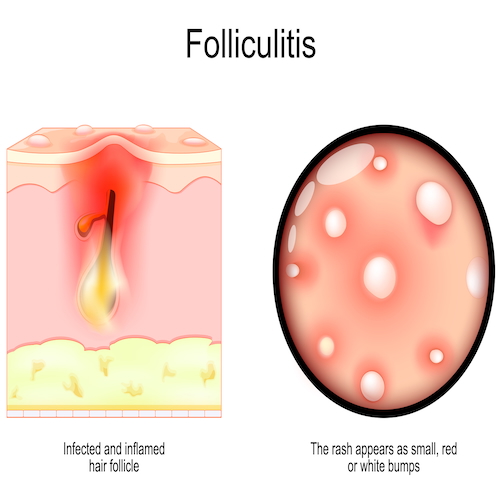
Spot treat only when you have active pustules (pus-filled bumps) or areas of concentrated redness that feel hot or swollen. These represent active inflammation or infection that needs direct attention. Don't spot treat every small bump, rough patch, or area of mild redness. Your barrier repair routine will handle these issues naturally as your skin strengthens. Watch for molluscum lesions, folliculitis bumps, or infected pimples that develop white or yellow centers. These need intervention because they contain infectious material that can spread to other areas if the bump ruptures on its own.
Skip spot treatment if you only see closed comedones (small flesh-colored bumps under the skin), general texture issues, or light pink areas. These conditions improve once your barrier function returns to normal. Treating them now will slow your overall progress.
Gentle ingredients that won't disrupt healing
Look for spot treatments with natural antimicrobial oils rather than harsh chemicals. Tea tree oil diluted to 5% or less kills bacteria without stripping your barrier. Neem oil works similarly and adds anti-inflammatory benefits. Both oils should be mixed with a carrier oil like jojoba or squalane before application to prevent irritation. The ratio should be one drop of active oil to nine drops of carrier oil.
Colloidal oatmeal reduces inflammation and soothes irritated skin without interfering with barrier repair. You can apply products containing this ingredient directly to bumps or red patches. Hydrocolloid patches provide another gentle option because they create a protective seal over pustules, absorb excess fluid, and prevent you from picking at the area. These patches work best on bumps that have already come to a head and show visible pus.
The most effective spot treatment is one that resolves the immediate problem while your barrier continues healing underneath, not one that fights both issues at once.
How to apply spot treatments correctly
Apply spot treatments after your moisturizer has fully absorbed, not before. This creates a buffer between the treatment and your damaged barrier. Use a clean cotton swab to dab a tiny amount directly onto the bump or red area. Don't spread the product around the surrounding skin. The treatment should cover only the problem spot itself, roughly the size of a pencil eraser or smaller.
Leave the treatment on overnight and rinse it off with lukewarm water in the morning. Don't apply spot treatments more than once per day or layer multiple treatments on the same area. If you're using hydrocolloid patches, apply them to clean, dry skin and leave them in place for 8-12 hours before removing and replacing with a fresh patch if needed.
Daily routine examples for morning and night
You need a clear, repeatable routine that you can follow every day without guessing or adjusting. These examples show you exactly how to treat compromised skin barrier through consistent morning and evening care. Each routine takes less than five minutes and uses only the essential products your barrier needs to heal. Follow these templates for at least three weeks before making any changes.
Morning routine template
Your morning routine focuses on protection and hydration without stripping the natural oils your skin produced overnight. Start by splashing your face with lukewarm water only, using your hands to gently remove any surface residue. Pat your skin dry with a clean towel, leaving it slightly damp.
Apply your barrier repair moisturizer immediately while water remains on your skin's surface. Use gentle pressing motions to distribute the product evenly across your face and neck. Wait three to five minutes for the moisturizer to absorb before moving to the next step.
Finish with a mineral sunscreen containing zinc oxide or titanium dioxide. These physical blockers sit on top of your skin instead of penetrating it, making them ideal for compromised barriers. Apply a nickel-sized amount and reapply every two hours if you're outdoors.
Morning routine checklist:
- Rinse face with lukewarm water (30 seconds)
- Pat dry, leave skin damp
- Apply moisturizer to damp skin (1 minute)
- Wait for absorption (3-5 minutes)
- Apply mineral sunscreen (1 minute)
Evening routine template
Your evening routine removes the day's buildup while delivering intensive moisture overnight. Begin by applying your cream or oil-based cleanser to dry skin. Massage gently for no more than 30 seconds, then rinse thoroughly with lukewarm water. Your skin should feel clean but not tight or squeaky.
Pat your face dry and immediately apply your moisturizer while your skin stays damp. If you have active pustules or infected bumps, apply a spot treatment with a cotton swab after your moisturizer has fully absorbed. Target only the specific problem areas, not your entire face.
Your skin does most of its repair work while you sleep, so your evening routine creates the optimal environment for healing to occur without interruption.
Consider adding a thin layer of petroleum jelly over extremely dry patches or areas that feel raw. This occlusive layer locks in all the moisture from your other products and prevents overnight water loss. Apply it as the final step after everything else has absorbed.
Evening routine checklist:
- Apply cream cleanser to dry skin
- Massage gently (30 seconds maximum)
- Rinse with lukewarm water
- Pat dry, leave skin damp
- Apply moisturizer to damp skin (1 minute)
- Wait for absorption (5-10 minutes)
- Spot treat active bumps if needed (1 minute)
- Apply petroleum jelly to dry patches (optional)
Key takeaways and next steps
Your compromised skin barrier needs three consistent actions to heal: simplified product use, gentle cleansing with proper moisture layering, and targeted treatment only for active problems. These steps work together to remove what damages your barrier while adding back the protective components it lost. Most people see improvement within three to four weeks if they stick to the routine without adding extra products or reverting to old habits.
Track your progress by taking photos weekly and noting how your skin feels rather than how it looks. Your barrier repairs from the inside out, so you'll notice reduced sensitivity and better moisture retention before visible changes appear. Resist the urge to add back active ingredients until your skin can handle a full day without any stinging, tightness, or reactive redness.
If you're dealing with persistent bumps like molluscum while your barrier heals, Mollenol products offer gentle spot treatment options that won't interfere with your repair routine. Their formulas target specific skin infections without compromising your protective barrier during the healing process.